Melodramatic Voices: Understanding Music Drama edited by Sarah Hubbard
The genre of mélodrame à grand spectacle that emerged in the boulevard theatres of Paris in the 1790s – and which was quickly exported abroad – expressed the moral struggle between good and evil through a drama of heightened emotions. Physical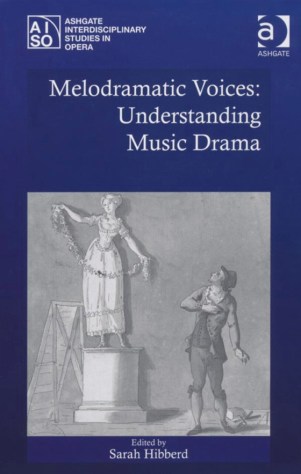 gesture, mise en scène and music were as important in communicating meaning and passion as spoken dialogue. The premise of this volume is the idea that the melodramatic aesthetic is central to our understanding of nineteenth-century music drama, broadly defined as spoken plays with music, operas and other hybrid genres that combine music with text and/or image. This relationship is examined closely, and its evolution in the twentieth century in selected operas, musicals and films is understood as an extension of this nineteenth-century aesthetic. The book therefore develops our understanding of opera in the context of melodrama’s broader influence on musical culture during the nineteenth and twentieth centuries. This book will appeal to those interested in film studies, drama, theatre and modern languages as well as music and opera.
 examining them will further our understanding of the role of global media content in the digital age. Moreover, as these programs continue to be exported and transformed at regional levels, and through digitalization, it is more important than ever to analyze where the genre has been, where it is now, and where it is going.
 twenty-first century setting across regional and national boundaries, analyzing film texts from a variety of national contexts in the wake of globalization.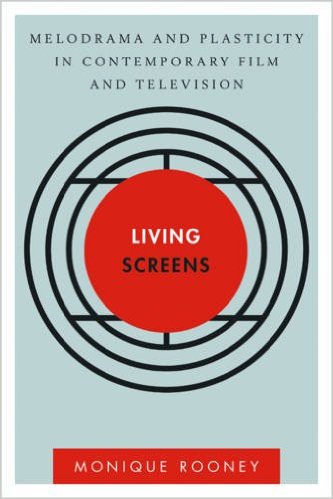
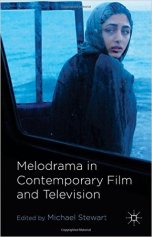 re-visioning; home and borders; gendered and queer relations; the family and psychic identities; the national and emerging public cultures; and morality and ethics.”
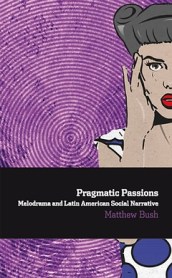 tial role in the framing of Latin American fictional narrative. Over that same time period, melodramatic reasoning has influenced the critical models through which the countries of the region conceive their respective histories and political landscapes. Pragmatic Passions: Melodrama and Latin American Social Narrative demonstrates how melodrama is deployed as a convincing means of affectively narrating socio-political messages, yet how it also unwittingly undermines the narrative structure of paradigmatic works by Rómulo Gallegos, César Vallejo, Roberto Arlt, Jorge Amado, and Carlos Fuentes.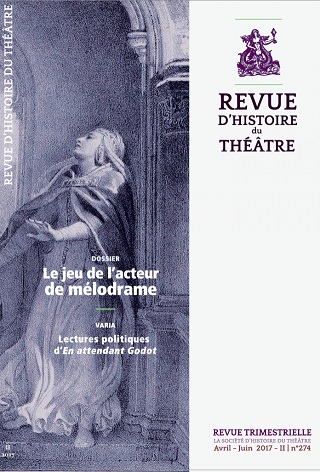
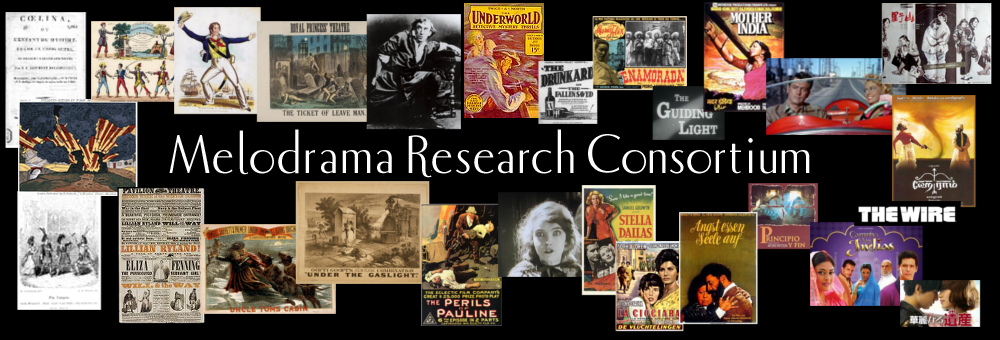
 Melodrama Research Consortium